
"coffee overproduction"
380 article(s) found

What brand of Brazilian coffee is good? the history of Brazilian coffee.
Following Cafe Review (official Wechat account vdailycom) found that Brazilian Coffee, which opened a small shop in Fairview Cafe, had a low sour taste, matched with the sweet and bitter taste of coffee, and had a slight grassy aroma, with a slightly bitter taste in the fragrance, smooth taste and pleasant aftertaste. Robbins coffee in Brazil, the largest output is Luobai.

Introduction to the description of Brand Price, taste and Flavor of Brazilian Yellow Bourbon Rivida Coffee Bean location conditions
Brazil Yellow Bourbon Rivida Coffee Bean location conditions Brand Price taste and Flavor description the sweetness introduced is a high-quality Brazilian Bourbon Santos bourbon from the Bourbon Indian Arabica Coffee Tree. Bourbon Island, now Reunion Island, was once a thriving place for Arabica coffee. Arabica coffee trees grown on the island were introduced to all parts of the world.

Basic knowledge of boutique coffee Brazilian coffee
Brazil is vividly compared to the giant and monarch of the coffee world. There are about 3.97 billion coffee trees there, and small farmers now grow 75% of the country's coffee. The number of coffee producers in Brazil is twice or even three times that of Colombia, the second largest coffee producer in the world. Coffee production in Brazil: Mi in southeastern Brazil

The characteristics and Market of Brazilian Coffee
Brazil is vividly compared to the giant and monarch of the coffee world. There are about 3.97 billion coffee trees there, and small farmers now grow 75% of the country's coffee. The number of coffee producers in Brazil is twice or even three times that of Colombia, the second largest coffee producer in the world. Coffee production in Brazil: Mi in southeastern Brazil
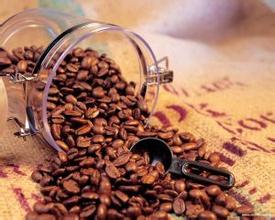
The latest introduction and information details of fine coffee beans and Brazilian coffee
Brazilian coffee generally refers to coffee produced in Brazil. There is a wide variety of Brazilian coffee, the vast majority of which are unwashed and sun-dried, classified according to the name of the state of origin and the port of transport. Brazil has 27 states and 17 states produce coffee, but four of them produce the largest, accounting for 98% of the country's total output. Brazilian coffee has a low sour taste, which goes well with coffee.

Brazilian coffee roasting standard curve process flavor description grinding scale variety origin
Brazilian coffee roasting standard curve flavor description Grinding scale Bean Grinder is more important than Coffee Machine. At present, most people choose sawtooth grinder because it can grind uniform coffee powder quickly and steadily. The operation method of the sawtooth bean grinder is very simple, generally speaking, it will have two setting functions, one is to set the grinding degree, the other is to set the grinding time. Grinding

Introduction to the Flavor description and treatment of Brazilian Coffee beans the planting characteristics of Ping manor
Brazil is vividly compared to the giant and monarch of the coffee world. There are about 3.97 billion coffee trees there, and small farmers now grow 75% of Brazil's total coffee production. The number of coffee producers in Brazil is twice or even three times that of Colombia, the second largest coffee producer in the world. Unlike in the past, Brazil's economy is now less dependent

Description of Flavor of Coffee beans in the Manor of the Land of San Teo, South Minas, Brazil
Description of the Flavor of Coffee beans in the Manor of the Land of San Teo in South Minas, Brazil. The production area of grinding scale varieties introduces that ancient bourbon coffee is grown in some estates in the Serrado district of Minas Greais state in southeastern Brazil. These estates, such as Capin Branco and Vista Allegre, are planted.
Why is Brazilian coffee called the "giant" and "monarch" of the coffee world?
Old bourbon coffee is grown on some estates in the Serrado district of Minas Greais state in southeastern Brazil. Old varieties of bourbon coffee grown on these estates, such as Capin Branco and Vista Allegre, are also sold on the market. Although they come from the same area, these coffees have their own characteristics. Card

Flavor and taste characteristics of high-quality Brazilian coffee beans introduction to manor producing areas
Low acidity, moderately roasted coffee beans from the World Coffee Center. Brazil is vividly compared to the giant and monarch of the coffee world. There are about 3.97 billion coffee trees there, and small farmers now grow 75% of Brazil's total coffee production. Brazil produces twice or even three times as many coffee as Colombia, which is the second largest coffee producer in the world.

Dry drying Brazilian boutique coffee beans introduction to Brazilian coffee flavor and taste manors in Brazilian coffee producing areas
Brazilian coffee generally refers to coffee produced in Brazil. There are many kinds of coffee in Brazil. Like other Arabica coffee, Brazilian coffee is called Brazilian coffee Brazils to distinguish it from Milds coffee. The vast majority of Brazilian coffee is unwashed and sun-dried and is classified according to the name of the state of origin and port of transport. Brazil has 21 states and 17 states produce coffee, but among them

Introduction to the flavor description, grinding scale, quality and taste characteristics of Brazilian Bourbon Rivida coffee beans
Brazilian Bourbon Rivida Coffee Bean Flavor description Grinding scale quality Taste characteristics introduce the bourbon grown coffee beans produced by Chamar Manor, characterized by clear sour taste and fruity aroma. Taste after taste will remain slightly sweet aftertaste, but also become one of its features. It is most suitable for roasting in cities with a strong sense of roasting in the process of coffee consumption, especially in Brazil

Soft-scented Brazilian coffee flavor and taste introduce Brazilian boutique coffee Brazilian coffee brand
Brazil is vividly compared to the giant and monarch of the coffee world. There are about 3.97 billion coffee trees there, and small farmers now grow 75% of Brazil's total coffee production. The number of coffee producers in Brazil is twice or even three times that of Colombia, the second largest coffee producer in the world. Unlike in the past, Brazil's economy is less dependent on coffee.

Characteristics of Brazilian Coffee introduction to the manor producing area of Brazilian coffee bean flavor and taste
Brazilian coffee generally refers to coffee produced in Brazil. There are many kinds of coffee in Brazil. Like other Arabica coffee, Brazilian coffee is called Brazilian coffee Brazils to distinguish it from Milds coffee. The vast majority of Brazilian coffee is unwashed and sun-dried and is classified according to the name of the state of origin and port of transport. Brazil has 21 states and 17 states produce coffee, but among them

The Flavor of Brazilian Fine Coffee beans with mild fragrance the characteristics of the manor area introduce the flavor of Brazilian coffee.
Old bourbon coffee is grown on some estates in the Serrado district of Minas Greais state in southeastern Brazil. Old varieties of bourbon coffee grown on these estates, such as Capin Branco and Vista Allegre, are also sold on the market. Although they come from the same area, there are different kinds of coffee.

Brazilian coffee roasting curve table-what is the coffee baking curve
Brazilian Coffee Baking Curve-when the coffee baking curve is roasted for 5-7 minutes, the beans begin to release water, changing from light green to orange, emitting the unique aroma of creamy roasted vegetables. Light baked ─ when the beans make the first light sound, the volume expands at the same time, and the color changes to a delicious cinnamon color, so it is also called cinnamon raost or half-city roast. Acidity

Introduction to the producing area of Brazilian Bobang Coffee Bean species and Flavor description
Brazilian Bourbon Coffee Bean species Flavor description method Variety production area introduction since the introduction of coffee trees from French Guiana (Guyana) in 1720, coffee production has gradually become a science. Before 1990, the Brazilian government carried out strict monitoring of the coffee industry, including strict intervention and price protection measures, and the state has been implementing minimum price protection measures for farmers.
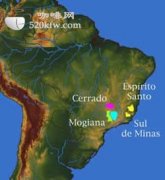
Brazilian coffee beans from the world's fine coffee production area
The low-acidity, moderately roasted coffee beans from the World Coffee Center are vividly compared to the giants and monarchs of the coffee world. There are about 3.97 billion coffee trees there, and small farmers now grow 75% of the country's coffee. The number of coffee producers in Brazil is twice or even three times that of Colombia, the second largest coffee producer in the world. With
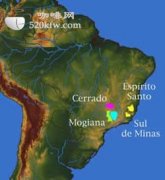
Basic knowledge of Brazilian boutique coffee beans from coffee producing area
The low-acidity, moderately roasted coffee beans from the World Coffee Center are vividly compared to the giants and monarchs of the coffee world. There are about 3.97 billion coffee trees there, and small farmers now grow 75% of the country's coffee. The number of coffee producers in Brazil is twice or even three times that of Colombia, the second largest coffee producer in the world. With
Start with coffee beans (17)-- America-Brazil
Brazil, a low-acidity, moderately roasted coffee bean from the World Coffee Center, is vividly compared to the giant and monarch of the coffee world. There are about 3.97 billion coffee trees there, and small farmers now grow 75% of the country's coffee. The number of coffee producers in Brazil is twice or even three times that of Colombia, the second largest coffee producer in the world.